Firmachain v0.5.1-patch2: Shipping a Security Fix Without Stopping the Network

Firmachain v0.5.1-patch2: Shipping a Security Fix Without Stopping the Network

In January 2026, CSA-2026-001, a critical vulnerability in CometBFT’s BFT Time implementation, was disclosed. Firmachain prepared v0.5.1-patch2 with the patched CometBFT release in time for public disclosure. A fast response was necessary, but speed alone was not enough. Validators needed to apply the release safely without halting the chain or coordinating a governance upgrade.

Continue reading →

Hereby: Making AI a Trustworthy Tool for Contract Work

Hereby: Making AI a Trustworthy Tool for Contract Work

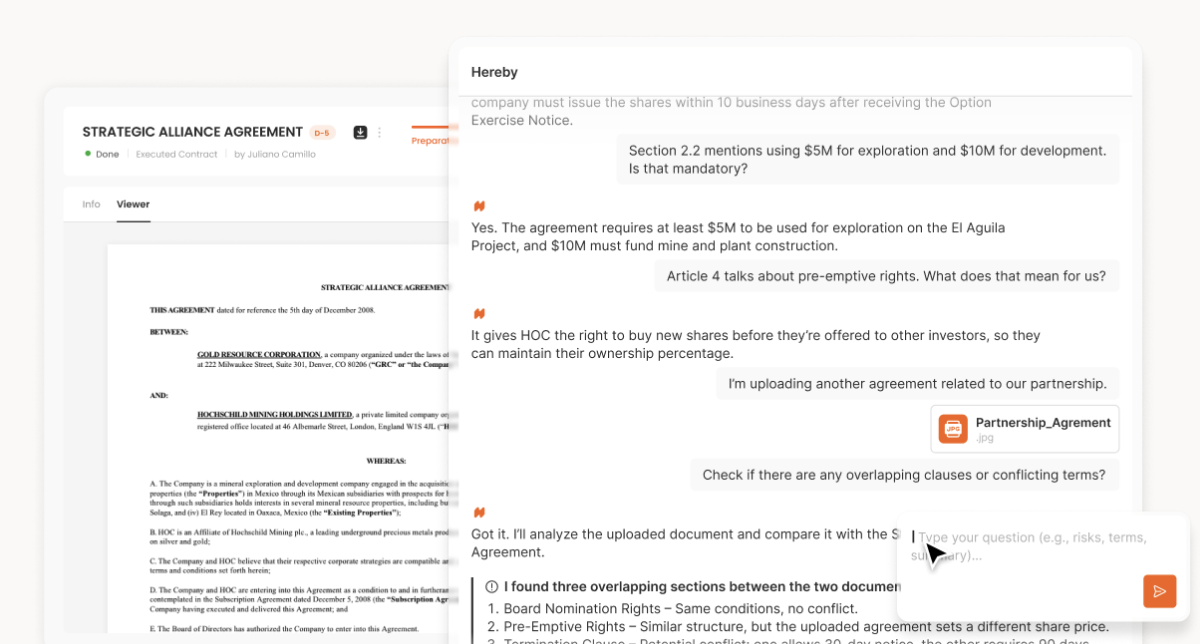
Hereby was an AI contract-management platform connecting preparation, review, execution, and post-signature operations. I worked across backend and AI engineering while helping translate requirements into a product and bring it to release. The hard part was not attaching OCR and an LLM to a document. It was making imperfect AI output inspectable and safe enough to support real contract work.

Continue reading →

Firmachain v0.5.1: Preparing Stability and Validator Governance Together

Firmachain v0.5.1: Preparing Stability and Validator Governance Together

Firmachain v0.5.1 was a stability-focused release that consolidated the foundation established by v0.5.0. We upgraded major modules including the Cosmos SDK, IBC-go, Wasmd, and CometBFT, and implemented the initial structure of the Firmachain Validator Advisory Board (FVAB) so validators could participate more systematically in technical decisions.

Continue reading →

Firmachain v0.4.0–v0.5.0: Release Engineering for an Evolving Mainnet

Firmachain v0.4.0–v0.5.0: Release Engineering for an Evolving Mainnet

Beginning in September 2024, I led Firmachain’s development team across core protocol, smart-contract, and ecosystem work. During that period, we prepared and shipped v0.4.0 and v0.5.0. A mainnet upgrade did not end when new functionality entered the codebase. The more difficult task was aligning the technical and operational conditions under which independent network participants could move safely to the new version.

Continue reading →

What NVIDIA GTC 2025 Revealed About AI's Next Stage

What NVIDIA GTC 2025 Revealed About AI's Next Stage

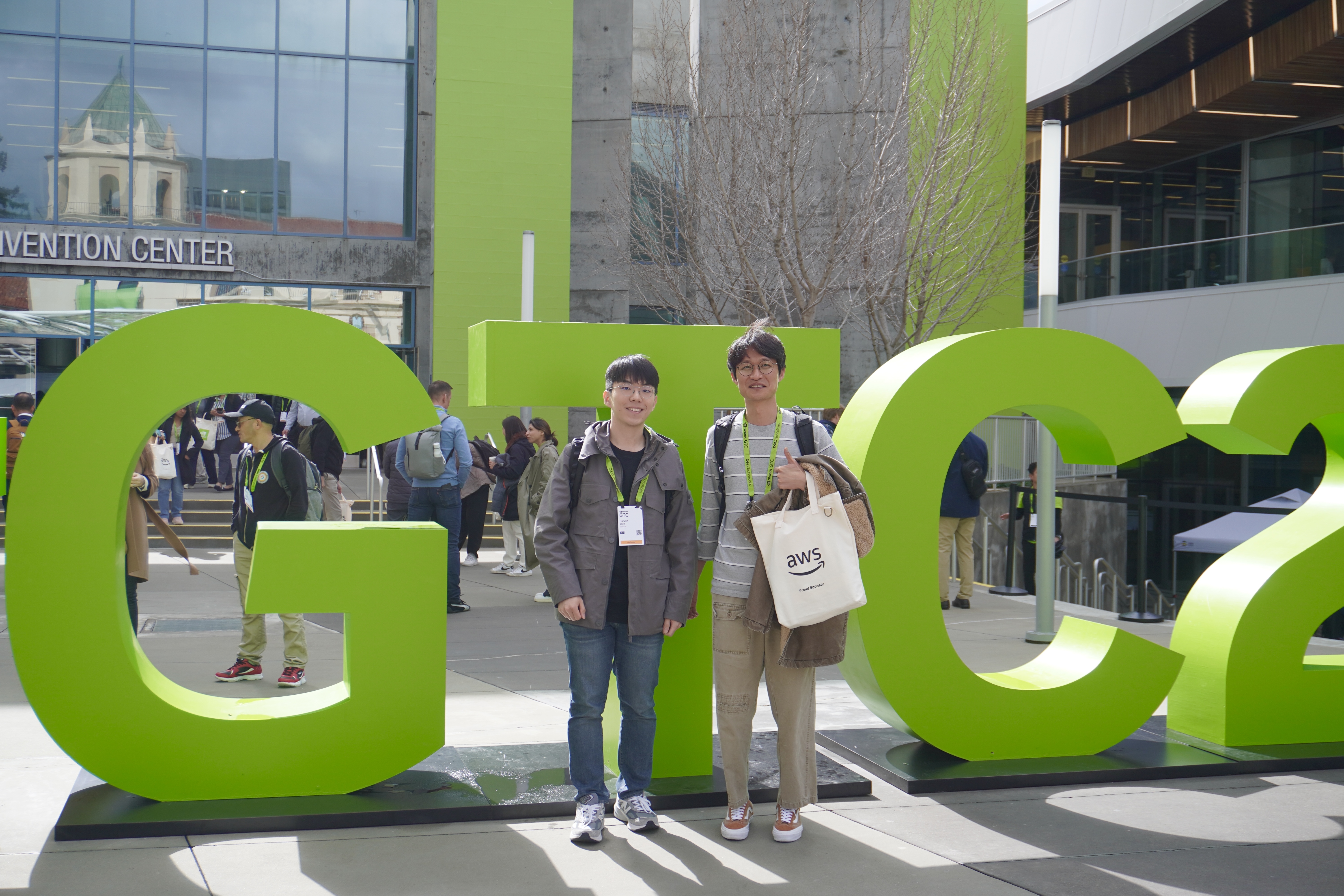
In March 2025, I traveled to San Jose for NVIDIA GTC 2025. I arrived mainly hoping to see new technology firsthand and meet people working on it. After several days of sessions and conversations, however, one point had become much clearer: change in AI was no longer confined to model performance. It was spreading across infrastructure, products, and the physical world.

Continue reading →

A Smart Contract Is an Execution Rule, Not a Contract

A smart contract is often introduced as “a contract that executes automatically when its conditions are met.” It is an intuitive definition, but after building and operating these systems, I find that it leaves out something essential. A smart contract does not understand the real world or interpret what its parties intended. It is better understood as an execution rule applied consistently by a blockchain network.

Continue reading →