
Articles
Here you'll find my thoughts on daily life, what I learn, and the changing world.
Looking Back on My First Semester of Law School

Looking Back on the Semester
I have finished my first semester of law school. I received an A+ in all four of my courses: Fundamental Rights in Constitutional Law, General Principles of Civil Law, Specific Topics in the Law of Obligations, and the General Part of Criminal Law.
I was genuinely happy when I saw the results. But the numbers alone were not the whole reason. I had never been confident that I would do particularly well, and throughout the semester I had no real sense of where I stood. What pleased me most was that, when I looked back carefully, a semester spent simply doing what I could and trying to stay consistent had ended with very little to regret.
Reflections on My Practicum at the Constitutional Research Institute of the Constitutional Court of Korea
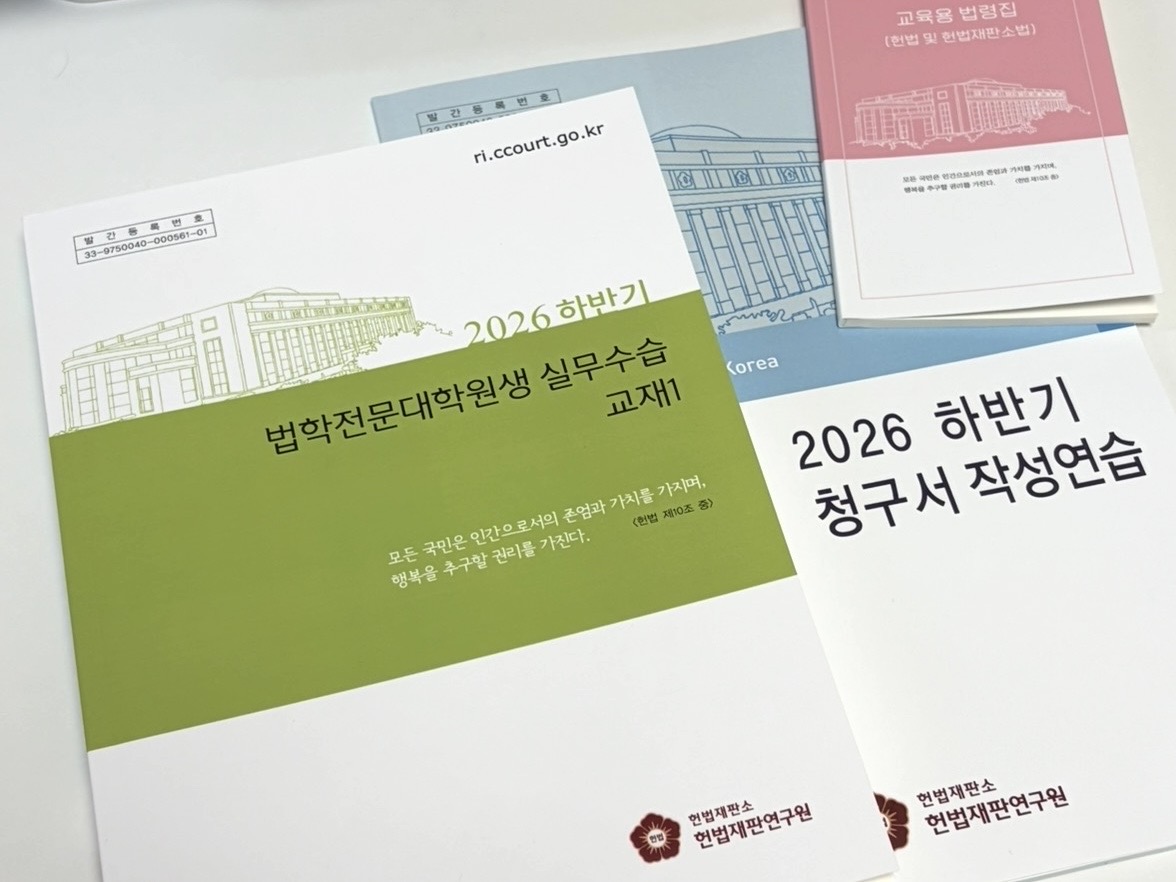
Practicum at the Constitutional Research Institute
The first summer break after entering law school turned out to be much shorter than I had expected. Finishing exams did not mean I could simply relax. There were courses to review, a new semester to prepare for, extracurricular opportunities to consider, and career questions that had begun to pile up. In the midst of all that, I was fortunate enough to be selected for the law school practicum program at the Constitutional Research Institute of the Constitutional Court of Korea.
The program lasted two weeks. Giving up a meaningful portion of an already short break was not a small decision, but as someone with a genuine interest in constitutional law, it was not an opportunity I could easily pass up. It offered the chance to study constitutional adjudication not only through textbooks and casebooks, but from the perspective of the Court that actually researches and decides constitutional cases. From June 29 to July 10, 2026, I spent two intensive weeks learning how constitutional litigation is handled at the Constitutional Court and its Research Institute.
In an Age When AI Seems to Do Everything, I Asked What Remains Human.
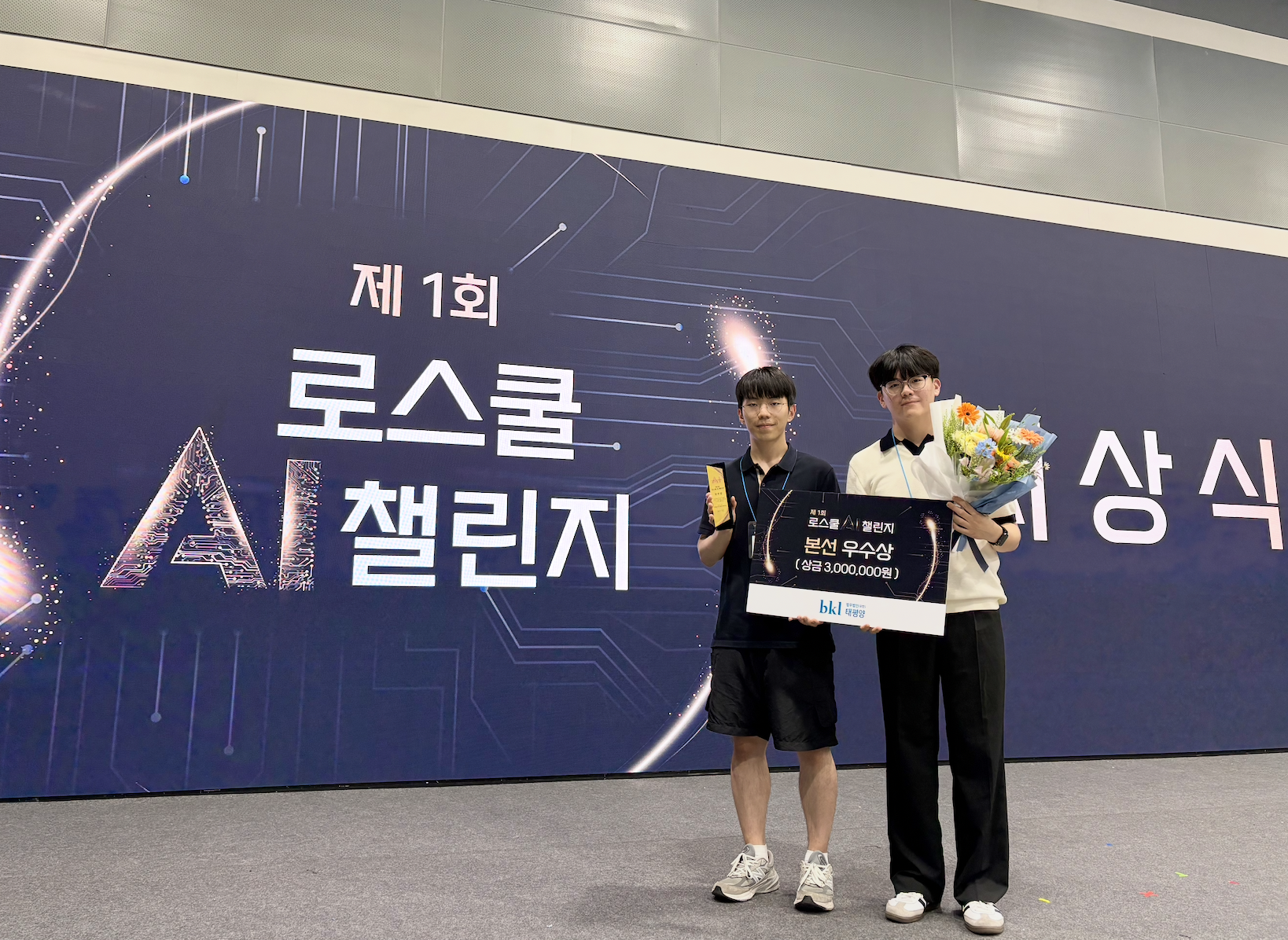
Reflections on the First Law School AI Challenge
When I had just finished my first semester of law school, I entered the First Law School AI Challenge with a friend. At first, judging from the name alone, I thought it would be a competition about using AI well to produce something like the case analysis or record-based answers we write in law school. But once I opened the problem set, I realized that the competition was asking something much deeper. In an age when legal professionals use AI as a tool, what can we do faster? What must we verify more carefully? What kinds of abilities should students cultivate? And above all, what kinds of judgment can only a human being ultimately take responsibility for?
I'm Going to Law School. Here's Why.

For a while now, I keep coming back to the same question.
Am I keeping up with this pace?
Not so long ago, being a software developer felt like a reasonably “safe” bet. Demand was everywhere, and skilled people were valued for it. I had carved out a niche for myself in the strange world of blockchain, and I was confident in my ability to manage projects, coordinate teams, and see goals through to completion. There was an unspoken belief that if I kept sharpening my craft, I’d be fine — more than fine, even. Then, somewhere along the way, that belief started to crack.
AI began writing code. At first, simple functions. Then, before long, fairly complex logic — done in minutes, where a junior developer might have spent a full day. A few months later, given a well-structured brief, it could take a project from spec to completion on its own. What I felt watching that wasn’t fascination. It was a quiet, unsettling anxiety.
I always knew technology moved fast. That wasn’t news. But this was different. It wasn’t about learning a new framework or picking up a new language. The act of writing code — the act of building something — was itself losing its edge. The skills I had spent years accumulating were being commoditized, and fast. And commoditized skills, in the end, get replaced.
So what kind of person was I going to be in this world?
What Should We Prepare for at AI's Inflection Point?

There is a strange time lag in conversations about AI. One person remembers the unreliable answers of a free chatbot from several years ago and concludes that the technology is still not useful. Another says that AI has already transformed the way they work. They appear to discuss the same technology while looking at entirely different moments.
Matt Shumer’s February 2026 essay “Something Big Is Happening” explains that gap in urgent terms. It argues that AI is moving fast enough to reshape knowledge work and society, and that people should begin adapting now. I agreed with parts of the essay and found other parts too certain. Its central question was nevertheless difficult to avoid: how much has the value of familiar work and expertise already changed?
What Moltbot Revealed About Agent Product Design

Discussions of AI agents often begin with a browser clicking through websites or a vast application containing every possible feature. The project first known as Clawdbot and later renamed Moltbot pointed in another direction. Instead of asking users to enter a new interface, it moved into the messaging channels and local environments they already used.
That simple choice made me reconsider why the project attracted so much attention—and what an agent needs in order to become a real product.
What NVIDIA GTC 2025 Revealed About AI's Next Stage
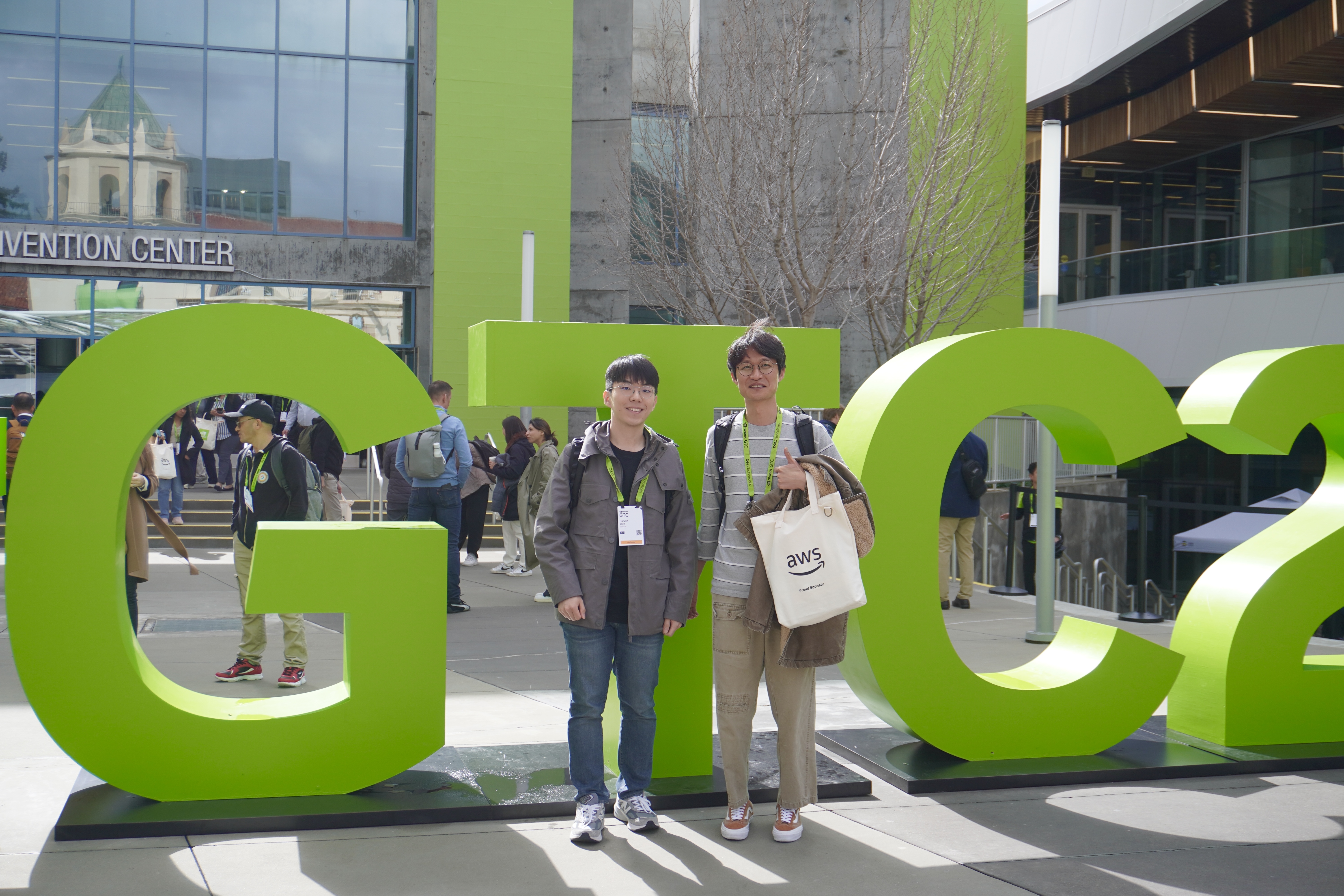
In March 2025, I traveled to San Jose for NVIDIA GTC 2025. I arrived mainly hoping to see new technology firsthand and meet people working on it. After several days of sessions and conversations, however, one point had become much clearer: change in AI was no longer confined to model performance. It was spreading across infrastructure, products, and the physical world.
A Smart Contract Is an Execution Rule, Not a Contract
A smart contract is often introduced as “a contract that executes automatically when its conditions are met.” It is an intuitive definition, but after building and operating these systems, I find that it leaves out something essential. A smart contract does not understand the real world or interpret what its parties intended. It is better understood as an execution rule applied consistently by a blockchain network.
What Will Web3 Leave Behind?
Working in blockchain, I am often asked what the future of Web3 looks like. I used to answer with familiar ideas: decentralization, data ownership, and token economies. None of that is wrong. But after building and operating products and mainnets, I have come to think a different question matters more: not what Web3 promises, but what it can genuinely solve better than existing systems.